
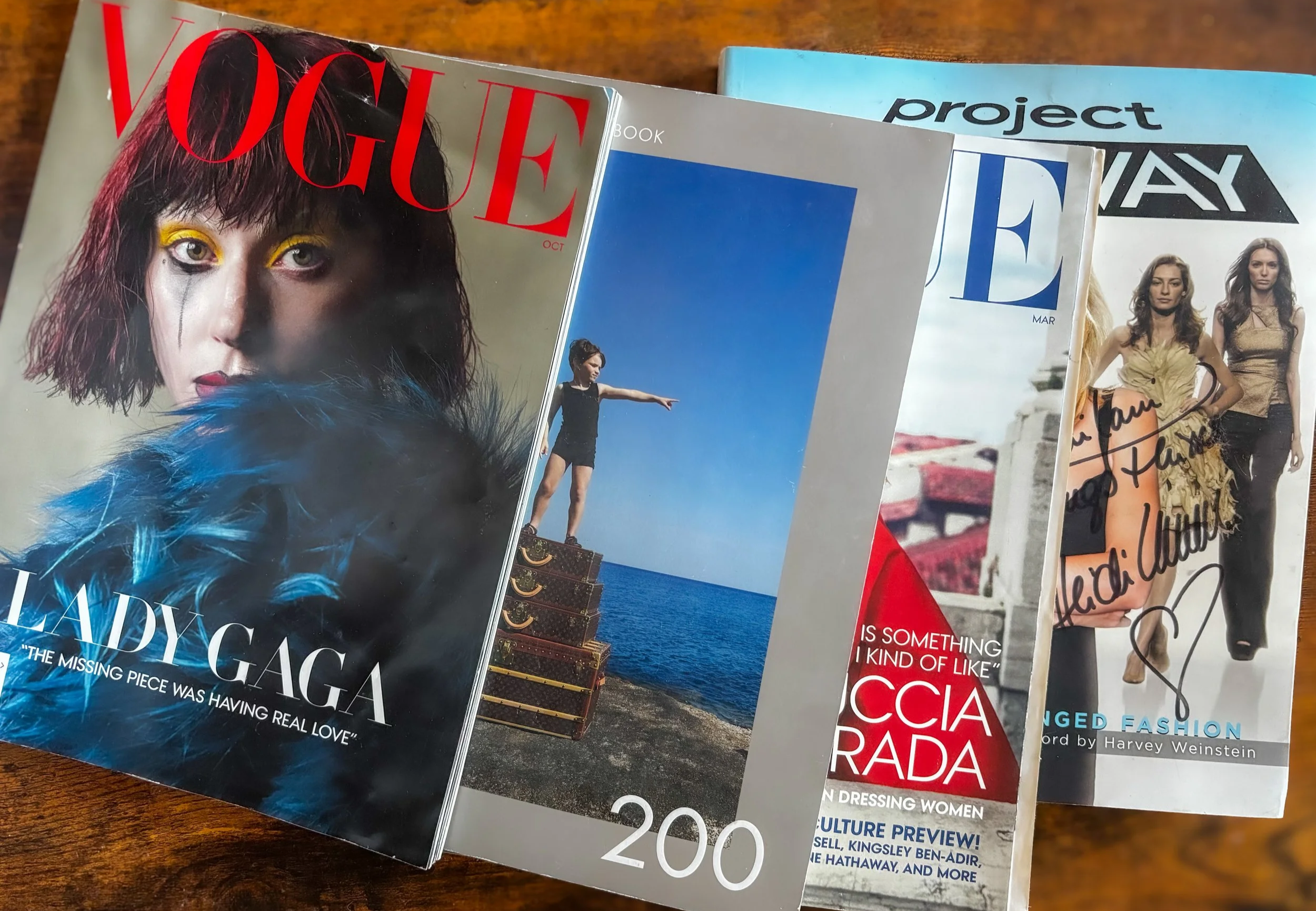
Before social media, people were exposed to fashion through everyday outings such as work, school, or even the grocery store. People also saw fashion in magazines with crazy headlines and on television shows. Now, fashion is everywhere we look. From TikTok to Instagram, Snapchat, YouTube, Pinterest, and any other platform I forgot to mention. Additionally, we still see traditional forms of media influencing fashion, but now it almost seems like there is too much.
Social media has completely changed the way we consume fashion and the way we dress.
How much of fashion is actually being controlled by what we scroll past?
Fashion Before Social Media
It seems like most people who grew up with so much technology and social media long for the time when we could get all our inspiration from a physical magazine or the latest television show. For fashion lovers such as myself and others with similar ideals, social media can be a great way to have easy access to inspiration and knowledge. On the other side of this, fashion is so prevalent that it can be overwhelming, promote unrealistic standards, encourage overconsumption, and take away from the art of fashion itself.
Increase Societal Pressure
Like many other Gen Z, I find myself scrolling for hours, whether that be aimlessly scrolling through random funny videos, analyzing runway shows, or watching my favorite influencers’ outfit-of-the-day posts. While it is so easy to see the latest trends any time I would like, it leads to societal pressure of never feeling like what I am wearing is trendy, stylish, or truly feels like myself. Even with the ability to wear whatever I want, it can be overwhelming when you consider everyone else’s outfit decisions.
I may put on an outfit I love and open Instagram a minute later to take a mirror selfie, showing off my clothes, just to see someone else’s post of them wearing something better and trendier. What was once my perfect outfit now causes me to feel insecure and question whether the outfit represents me or if it is just another way to get more views. This leads to a never-ending cycle of who is wearing the best outfit and causes your brain to spiral. Because fashion is not longer about the garment itself, but it is fitting into a specific aesthetic and worrying how it will look on your Instagram feed.
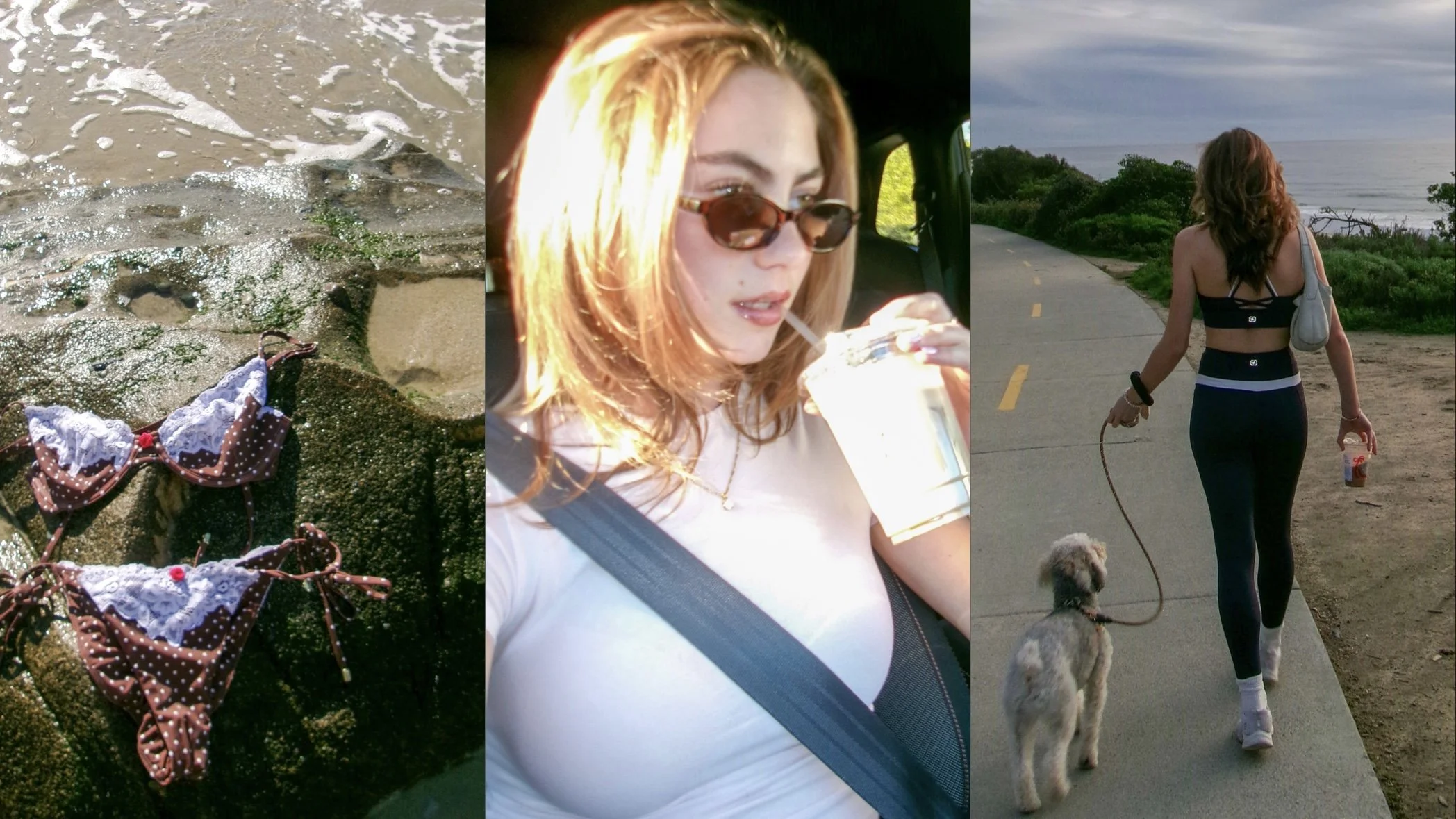
Not only can social media affect trends or what I may be wearing, but it can also affect a sense of personal identity. Feeling like we are in an identity crisis adds to the trends we are leaning into and why. As a society, we are now jumping from one trend to the next at such a rapid pace. This vicious cycle contributes to the rise of microtrends.
Why Microtrends?
Microtrends are essentially niche trends that become so popular on social media that they quickly become “uncool” or “cheugy.” These trends can last only weeks to months and heavily influence fast fashion. An example of a microtrend is the “old money aesthetic” or “European summer.” For whatever reason, these trends always have some crazy name, but that only adds to how unhinged the concept of a microtrend truly is.
When a microtrend blows up, people buy those garments that match the aesthetic of the trend immediately. Typically, these are purchased from somewhere that sells them cheaply, since they just spent all their money on the last microtrend. By the time the garment comes in the mail, you wear it once and then realize there is already a new trend you need to be purchasing for.
While social media gives brands the ability to better analyze their customers and communicate with their audience, it also pushes marketing tactics directly into our faces. It raises the question: Are we dressing to express ourselves or just to keep up a public image?
What Does This Do To Fashion Today?
Even high fashion designers are affected. Where we used to see only two seasons a year, we now see designers creating multiple collections to keep up with social media demand. Quality is decreasing, and the craft of creating and designing a garment is slowly disappearing.
As someone who loves to sew and enjoys learning about the construction of clothing, it is disappointing to see poor stitching and bad quality fabric when I am out shopping or get sent PR. Overproduction and how quickly clothing is being designed makes clothing start to blend together. No design or garment starts to stick out when you are scrolling through social media because it all starts to be the same, which makes me question if trends are on their way out.
Next week, I will discuss whether trends are truly dead.
Other Readings & Inspiration
To learn more about how social media shapes fashion, trends, and aesthetics, feel free to read other sites that inspired this post and furthered my knowledge:
How Social Media Influences Fashion Trends — Fashinnovation (on how platforms accelerate trend cycles and impact fast fashion) Read the article (Fashinnovation)
Social Media in Fashion: A Deep Dive into Trends, Inspiration, and AI-Powered Styling — Glance (on how digital platforms redefine fashion discovery and personal style) Read the article (Glance)
The Aesthetics, -Cores, and Microtrends That Defined 2023 — Vogue (on the rise of named microtrend aesthetics like old-money and Europecore) Read the article (Vogue)
