
Last week I discussed how social media influences the way we dress, which led me to question the direction of current trends. I keep hearing everyone saying trends do not exist in 2026, from classmates, blogs, to Emma Chamberlain’s podcast, Anything Goes. I listened to her 2026 trend predictions a few weeks ago, where she went in depth about how she hopes one day trends cease to exist. While I am a huge fan of her and agree that she has a major influence over the direction of fashion, my immediate reaction disagreed with her statement. Fashion reflects not just what is popular or who is wearing what, but the economic status of individuals and the state of the country. Trends have not disappeared, yet they have simply evolved due to social media, sustainability concerns, and changing ideas around personal style in current times.

Click on image to open Podcast episode.
History of How Trends Began
Fashion trends originated from higher up nobles or kings and queens having access to better quality fabrics and more colorful options. Not only did commoners want to be like the royals, but they were limited. People wore outfits to represent their social and economic status almost as a uniform.
While there are many theories as to who exactly sets the standard for trends, the most prominent one is the trickle-down theory. This theory suggests that fashion is influenced from, at one time, royalty and even the church, to now celebrities or people with status. People see someone they deem as being of higher value than them and want to replicate their style or wear what they are wearing to feel more valuable.
Modern Influences on Trends
Designers play a big role in this in the present day, as brands the average person shops at copy from famous designers after a new season drops. Another explanation, the trickle-across theory, proposes that fashion influence starts with a small, nonspecific group and spreads from there. Today, this theory is increasingly relevant, as everyone can potentially have social media virality. Anyone is in control of the direction of trends and trend cycles. Trends are coming and going so fast that they do not necessarily have true influence over mass groups the way they used to.
Another Perspective: Trickle-Up and Individual Style
The trickle-up theory describes trends starting from a group seen as lower status. The most popular example today is denim as it was originally worn by the working class, but now a key staple in everyone’s closet. These three theories show that trends have always been influenced from different angles and will continue to.
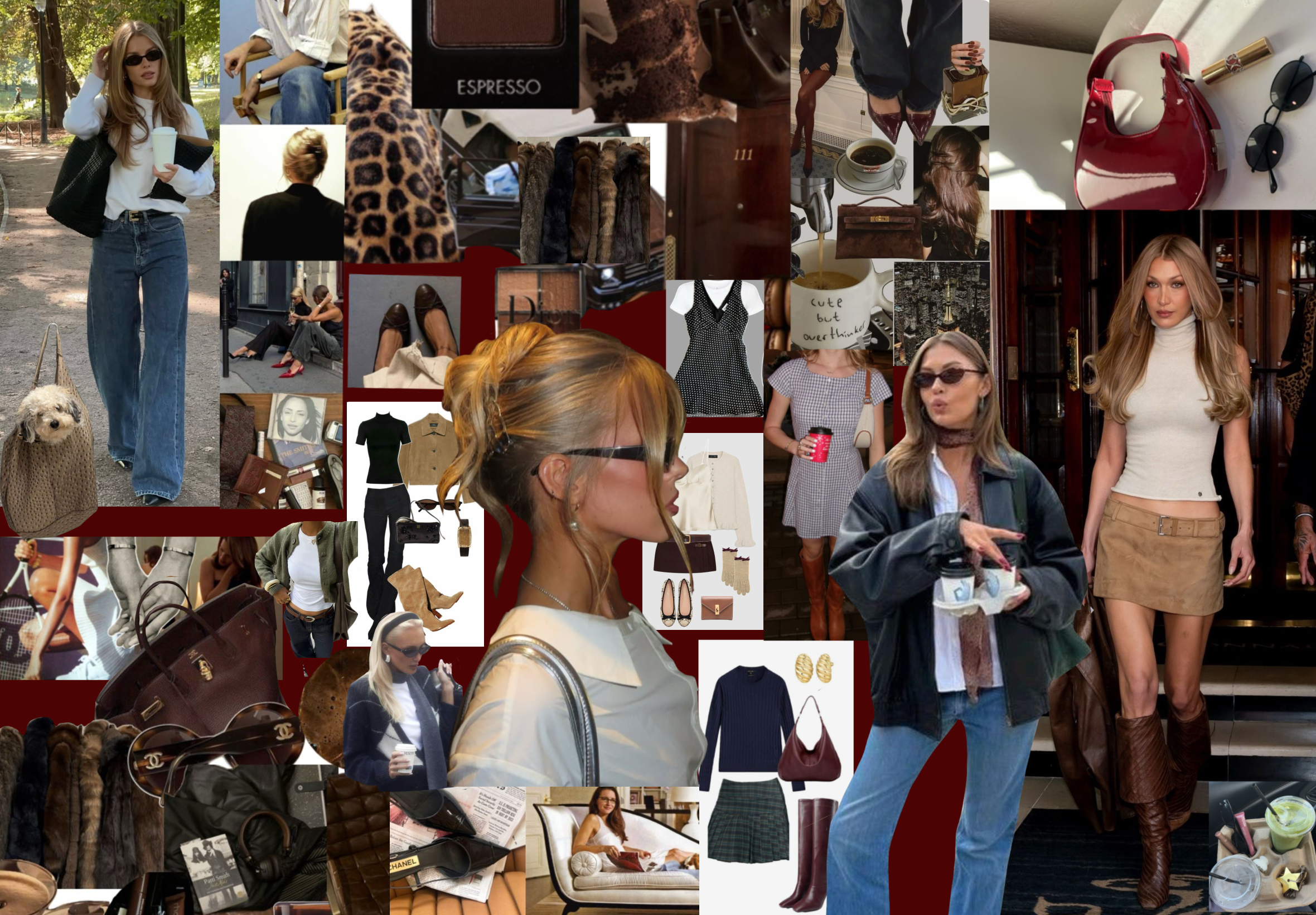
What people often mean when they say trends are dying is the perceived lack of originality in style and everyone wanting to dress for themselves instead of for a specific aesthetic. This seems to be an effect of everyone being chronically online instead of getting dressed for what they are doing that day, leading to a trend in personal style, originality, and authenticity.
Buying Habits and Sustainability
Buying habits play a large role in this shift. People are exhausted from buying something just to wear it once. With a rise in sustainability awareness, it seems that Gen Z, a generation deeply embedded in online culture and conscious consumption, is starting to care more about the environment than following a specific trend. Consumer behaviours like prioritizing sustainability over fast trend cycles are reshaping what “popular fashion” means.
That being said, there are still many trends emerging heading into 2026. Next week I will go over my favorite up and coming 2026 trends and what that means for our outfits later this year.
Other Readings & Inspiration
To get more information about how shopping habits and trending fashion culture, read the two links below that helped me form this blog post:
Vogue Business — How Gen Z’s Shopping Habits Will Shape the Future of Retail — By Madeleine Schulz, Vogue Business (2024). How Gen Z’s Shopping Habits Will Shape the Future of Retail (Vogue)
Medium — Style Burnout: Why We’re Tired of Trends — Fatima Jabbar, Medium (2025). Style Burnout: Why We’re Tired of Trends (Medium)
